

Building for neurodiversity starts inside the company
Read blog Solution overview
See solutions side by side.
Ensuring the security of online assessments has never been more important. As more education moves online, maintaining exam integrity presents new challenges. Picture a scenario where every student’s performance is a true reflection of their abilities, without any unfair advantages.
In this blog, we’ll dive into innovative strategies and cutting-edge tools that will transform your approach to online assessments. From sophisticated exam structuring techniques to robust proctoring solutions, get ready to discover the arsenal you need to design cheat-proof exams and uphold academic excellence. Let's explore how you can ensure every candidate’s success is earned honestly.
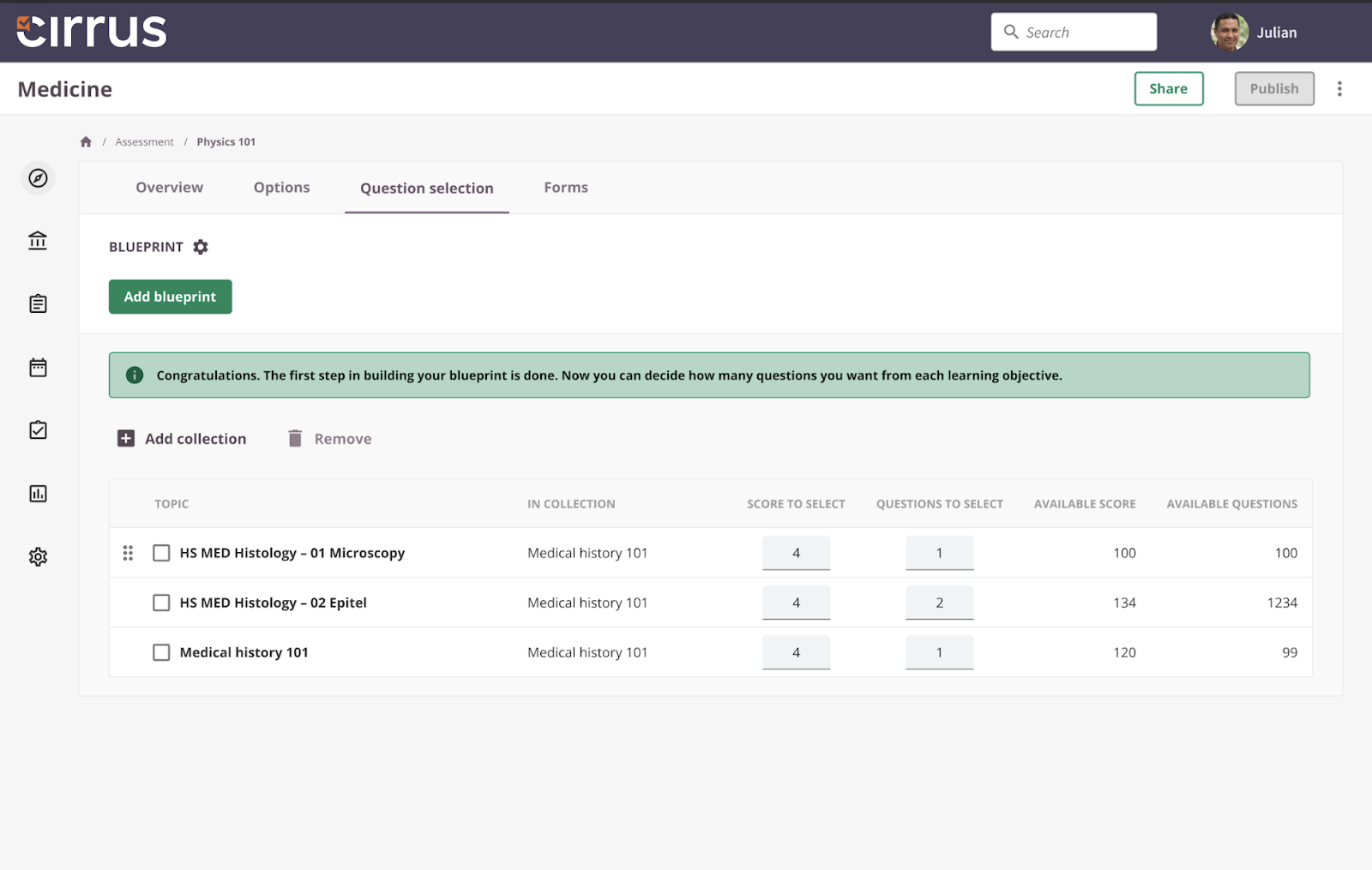
Blueprint and LOFT (Linear on-the-Fly Testing) 3.0 features ensure both fairness and security, especially when combined with online proctoring. Here’s how they work together:
This tool allows for the design of exams according to a specific plan, ensuring that each version fairly covers all necessary topics and difficulty levels. Candidates receive a balanced set of questions, ensuring consistency across different exam versions.
This feature generates unique tests for each candidate from an extensive question pool, adhering to the exam blueprint. This approach not only prevents exam leaks but also ensures fairness and integrity by tailoring each test to individual candidates.
These features, when used alongside AI proctoring tools, make exams nearly cheat-proof. Real-time monitoring ensures candidates cannot access unauthorised materials or receive external help, while Blueprint and LOFT maintain a consistent level of difficulty and coverage across all exam versions.
Creating unique exam structures for each candidate is crucial for maintaining exam integrity. Here’s how it can be done:
-Randomize Alternatives: Shuffling the order of multiple-choice answers for each candidate makes it harder for them to copy answers.
-Randomize Questions: Presenting questions in a different sequence for each candidate complicates answer sharing.
-Random Forms: Providing each candidate with a unique set of exam questions ensures that no two exams are identical.
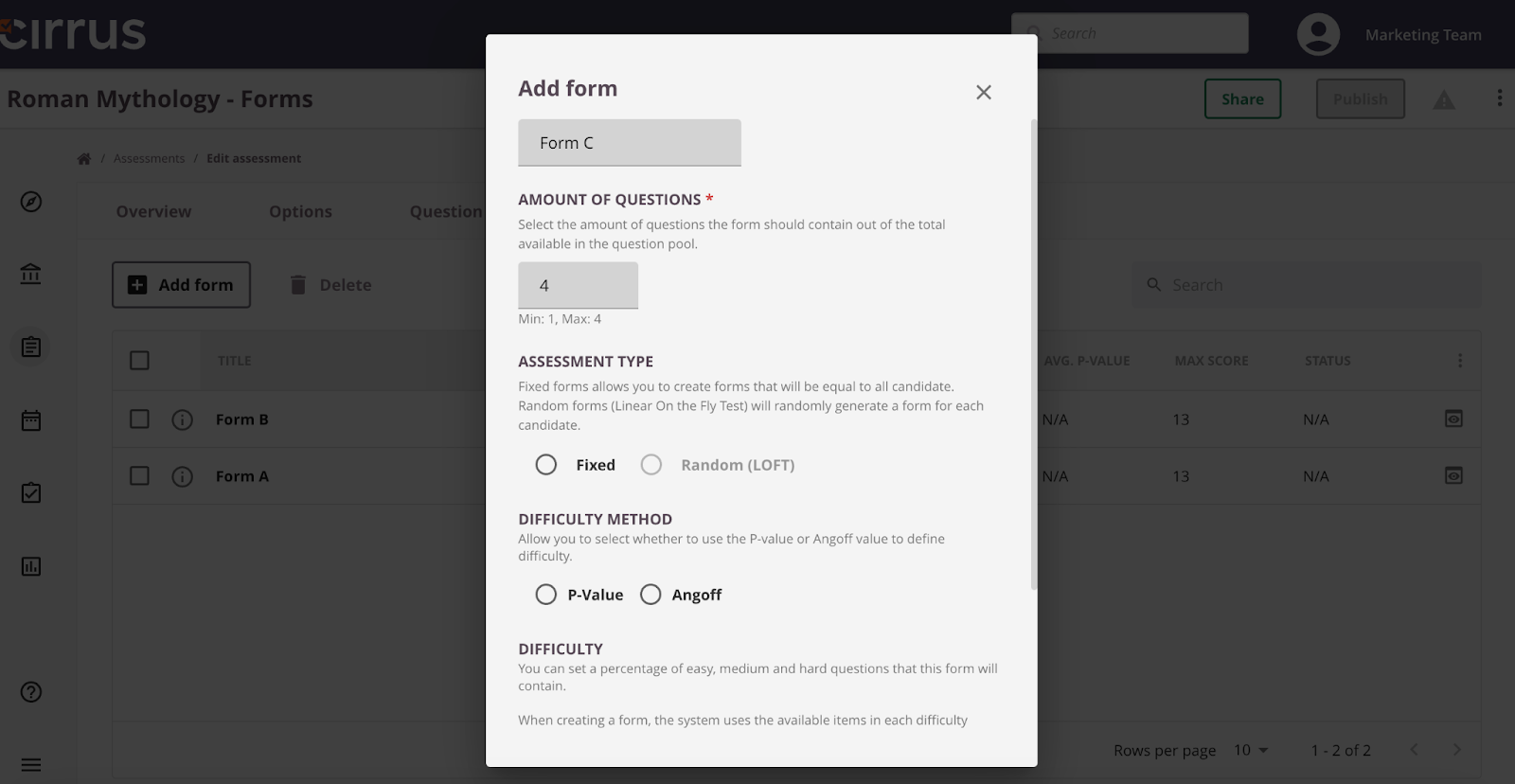
When combined with AI proctoring, randomizing test forms becomes even more effective. Monitoring capabilities detect suspicious behaviors, such as candidates trying to communicate answers, while the randomization techniques ensure that any shared information is less likely to be useful.
Implementing timed questions restricts the amount of time candidates have to respond, which is an effective measure to prevent cheating. This strategy helps limit the use of external tools and ensures that candidates are tested on their knowledge and quick thinking.
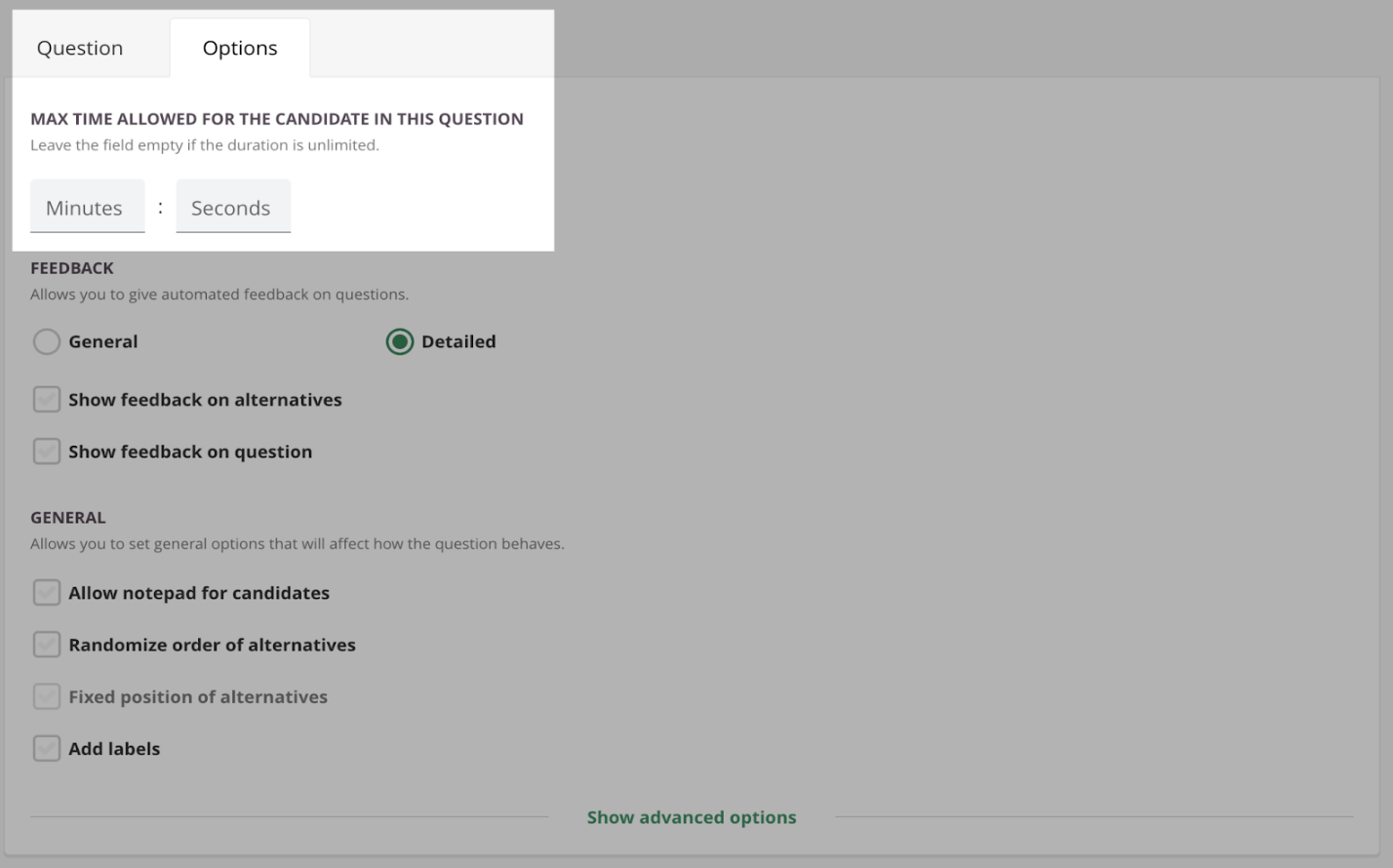
AI proctoring tools can monitor how candidates manage their time. Sudden spikes in response time might indicate attempts to access external help, while consistent timing can suggest genuine knowledge. This combination ensures tighter control over the examination process.
A specialized web browser creates a secure and controlled online exam environment by restricting access to unauthorized resources, websites, or applications. It keeps candidates focused on the exam content by disabling web navigation, system shortcuts, and other applications that could be used for cheating.
Integrating a secure browser with AI proctoring tools provides a double layer of security. While the browser locks down the candidate’s device, AI proctoring monitors the candidate’s behavior, ensuring they stay within the exam parameters. This combination effectively prevents digital wandering and attempts to find answers online.
💡 Refresh your items! Regularly rotating your question pool is essential to maintaining exam integrity. Not updating your questions can leave exams vulnerable to compromise. By frequently refreshing your exam content, you ensure that candidates cannot predict or prepare answers in advance or try to game the system.
💡Diversify your question types: Incorporate various question types, such as multiple-choice, short answer, and essay questions, to assess different levels of understanding and reduce predictability.
💡Use RBAC: When designing online assessments, implementing Role-Based Access Control (RBAC) is essential to maintain the security and integrity of exams. RBAC ensures that only authorized personnel have access to sensitive exam materials, thereby significantly reducing the risk of leaks.
💡Use analytics: Leverage exam analytics to identify patterns of suspicious behavior, such as unusually fast completion times or inconsistent performance, and take appropriate actions.
💡Educate your candidates: Clearly communicate the rules and consequences of cheating to candidates. Awareness of strict proctoring measures and potential penalties can deter dishonest behavior.
💡Conduct pilot testing: Conduct pilot tests to identify potential vulnerabilities in the assessment process and make necessary adjustments before the actual exam.
By following these best practices and integrating AI proctoring tools, you can design online assessments that are secure, fair, and reflective of each candidate’s true abilities. These measures ensure that academic integrity is upheld, and the value of your certifications remains well-respected.
Curious to learn about these features and many more? Check out Cirrus Assessment! The exam nerds over there are always more than happy to give you a demo of their exam platform.
