

Building for neurodiversity starts inside the company
Read blog Solution overview
See solutions side by side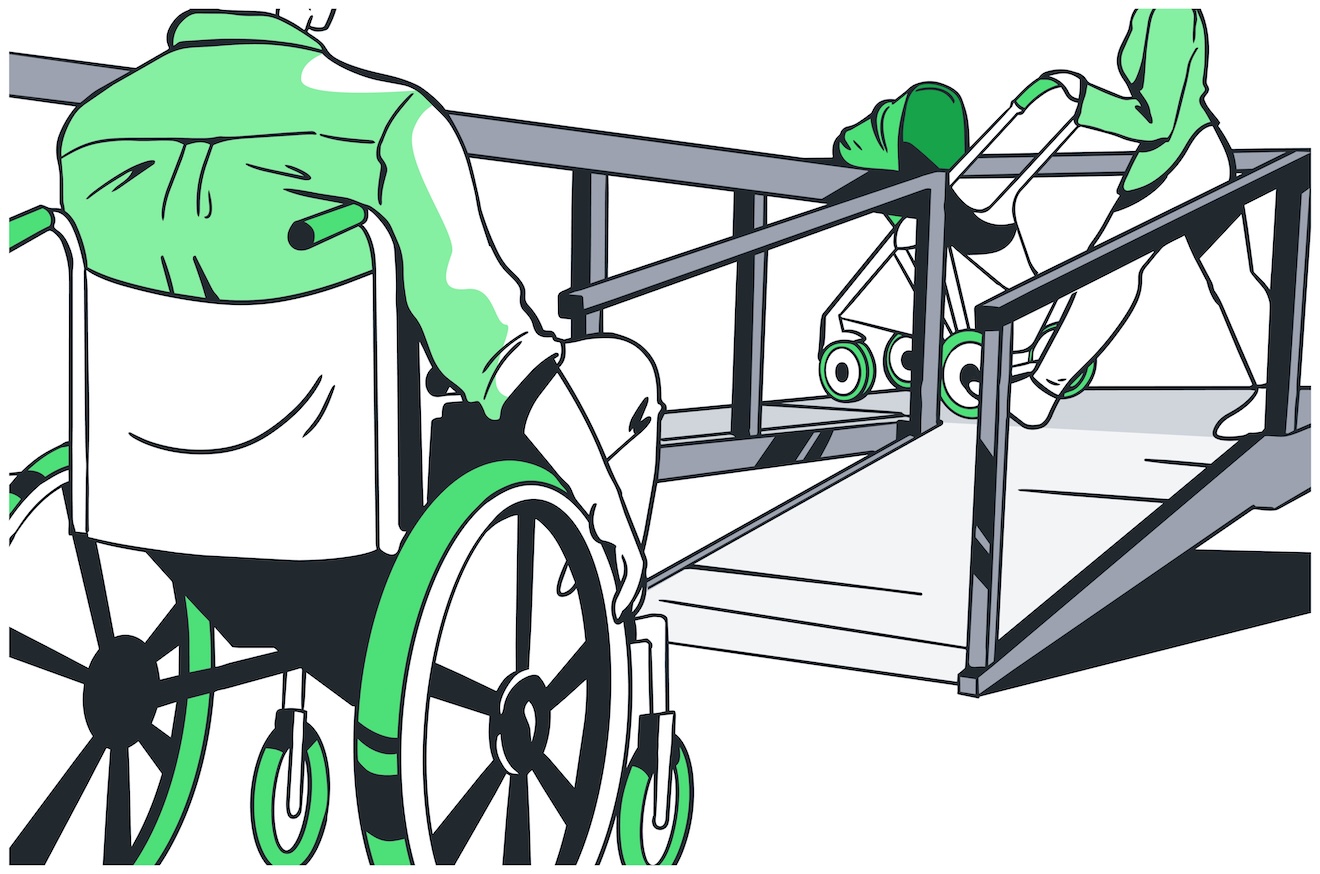
Building for Neurodiversity Starts Inside the Company
We believe products should work for different kinds of minds.
Students, professionals, and workers are not all wired the same way. Some are dyslexic. Some have ADHD. Some are autistic. Some process information visually. Others need more structure or clarity. These differences are common. They are part of normal human variation.
If we want to build technology that supports neurodiverse users, we have to understand neurodiversity in a practical way, not just as a compliance issue.
That work starts inside the company.
Why We Invested in Neurodiversity Training
In December 2025, we partnered with the Institute of Government & Public Policy (IGPP) for formal neurodiversity training for our leadership team. The full-day, CPD-certified program covered how cognitive differences show up at work, how leaders respond, and how systems can either support or limit performance.
We chose to do this for clear reasons:
This was about improving how we operate, not just checking a compliance box.
For additional context on neurodiversity and accessibility in our work, see Proctorio’s earlier blog post “Setting the Record Straight: On Neurodiversity” on the Proctorio Blog.
Understanding “Spiky Profiles”
One of the core ideas covered in the training was the concept of cognitive “spiky profiles.” Neurotypical profiles are often described as relatively even across skills. Neurodivergent profiles tend to be uneven: one strength may be exceptional while another area is challenging.
The goal is not to flatten the spikes.
Instead, we focus on:
When workplaces assume one ideal way of working, they miss talent. When systems account for variation, more people can succeed.
From Accommodation to Better Systems
The training also clarified important differences between:
One example is the “Kerb Effect.” Curb cuts were originally installed to help wheelchair users — but they also benefit parents with strollers, people with luggage, and delivery workers. Design changes made for one group can improve access for many.
That same principle applies to product design and workplace systems: clear documentation, flexible processes, predictable workflows, assistive technology compatibility, and structured communication don’t only help one group, they improve usability overall.
Extending the Training Across the Company
After completing the IGPP session, those leadership team members developed internal training based on what they learned. That training was delivered company-wide, with every employee completing it.
The goal was shared understanding.
The company-wide training covered:
Neuroinclusion cannot depend on just a few informed individuals. It has to influence everyday decisions across teams.
What We’re Working On Now
The training didn’t mark the finish line, it shaped several ongoing efforts:
We are:
Ongoing Work & Culture Shift
Training doesn’t fix everything. But it provides a framework.
The central question raised during the IGPP session was simple: What will you do differently?
That question continues to guide internal conversations, about hiring, communication, leadership, and design.
Neurodiversity is not a niche concern. It exists in every workforce and every user base.
If we want to build systems that serve a wide range of people, we have to understand that range internally first.
Learn More
For related perspectives on accessibility and inclusive technology from the Proctorio team, check out: